
Header Image - Alberta Online Security Guard Training

Category Archives

4 Articles

Removing a Patron: When Does Force Become Excessive? What Alberta Security Guards Should Know

Removing a Patron: When Does Force Become Excessive? What Alberta Security Guards Should Know

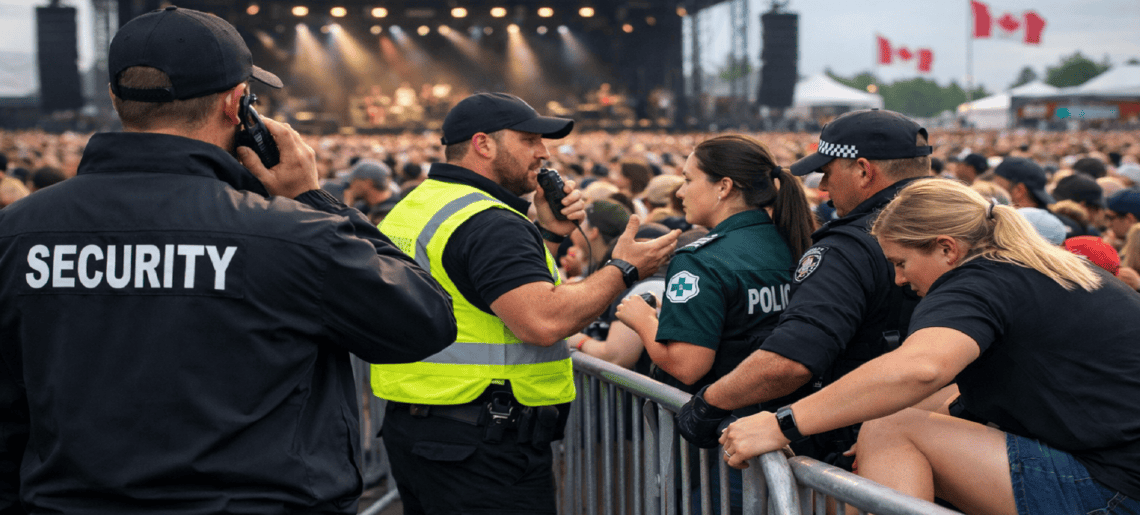
Security guards working in Alberta’s nightclubs, entertainment venues, hospitals, and retail establishments regularly encounter situations where individuals refuse to leave private property.

While many of these encounters can be resolved through communication, others can escalate into verbal confrontations or physical resistance. Alcohol, drugs, mental illness, and heightened emotions can all influence how an individual responds when directed to leave.

For security professionals, these situations require quick thinking, sound judgment, and a clear understanding of their legal responsibilities.

For those pursuing a career in security, understanding legal authority and appropriate intervention is an essential part of professional preparation. At Alberta Guard Training, we recognize the importance of building a strong foundation in these responsibilities.

In some circumstances, physically removing someone from a property may be necessary. However, having the authority to remove an individual does not mean that any level of force is acceptable.

So, when does reasonable force become excessive?

An August 2026 incident at a Winnipeg nightclub raises important questions about security guards’ legal authorities, the importance of communication, and the consequences of physical interventions that may cross legal boundaries.

Although the incident occurred in Manitoba, the lessons are equally relevant to security professionals working throughout Alberta.

The Incident: Three Security Guards Charged

At approximately 1 a.m. on August 3, 2026, Winnipeg police responded to a disturbance at a nightclub in the 400 block of Main Street.

According to police, a 28-year-old patron had been involved in an altercation with security personnel and required hospital treatment for his injuries.

The patron was later identified as Teddy Allen, a professional basketball player with the Winnipeg Sea Bears.

According to news reports, video footage taken inside the nightclub shows Allen being forcefully removed by at least three security guards.

On August 12, three security guards were arrested and charged with assault causing bodily harm.

It is important to emphasize that criminal charges are allegations, not findings of guilt. The available reporting also does not provide a complete account of the events leading up to, during, or following the confrontation.

Nevertheless, the incident provides an opportunity to examine how security guards should approach similar situations and why understanding the limits of legal authority is essential.

Understanding a Security Guard’s Authority in Alberta

Security guards in Alberta are often responsible for enforcing property rules on behalf of business owners, property managers, and other authorized individuals.

For example, a nightclub manager may decide that an intoxicated patron must leave because of aggressive or disruptive behaviour.

Security personnel may then be directed to communicate that decision and ensure the individual leaves the premises.

When the patron cooperates, the situation can often be resolved without further intervention.

However, when someone refuses to leave, security guards must understand which legal authorities apply and what actions are permitted.

Alberta’s Trespass to Premises Act

Alberta’s Trespass to Premises Act establishes rules governing unauthorized access to certain properties.

Under the legislation, property owners and their authorized representatives can provide notice that an individual is not permitted to enter or remain on the premises.

Notice may be provided verbally, in writing, or through properly displayed signage, depending on the circumstances.

Section 5 of the Act also permits a peace officer, property owner, or authorized representative of the owner to apprehend a trespasser without a warrant in qualifying circumstances.

When someone other than a peace officer apprehends a trespasser under this provision, they must deliver that individual to a peace officer as soon as practicable.

For Alberta security guards, this distinction is important.

A security guard acting as an authorized representative of a property owner may have certain enforcement powers, but those powers are not unlimited.

The existence of an arrest authority does not automatically justify the use of physical force in every situation.

Security professionals must understand the applicable legislation, their employer’s policies, and the circumstances that make intervention legally appropriate.

Criminal Code Section 35: Defence of Property

In addition to provincial trespassing legislation, security guards must understand the protections and limitations established by the Criminal Code of Canada.

Section 35 of the Criminal Code addresses the defence of property.

Generally speaking, the section allows individuals in peaceable possession of property, or those acting under their authority, to take reasonable action to protect that property.

This may apply when someone enters a property without legal authority, interferes with property, or refuses to leave after being directed to do so.

However, the law requires that the actions taken be reasonable in the circumstances.

Having the authority to remove someone does not automatically make every method of removal lawful.

In the Winnipeg nightclub incident, the manner in which the guards removed Teddy Allen has been called into question.

The situation demonstrates why security professionals must distinguish between having the authority to act and ensuring that their actions remain legally justified.

Reasonable Force: Understanding the Limits

When a confrontation becomes physical, security guards must continually assess whether their response is appropriate to the situation.

The National Use of Force Framework provides a conceptual approach to assessing situations and selecting appropriate responses.

Although the framework was developed for policing, its principles can also support decision-making in private security.

It is important to recognize that the framework is not legislation and does not independently authorize the use of force.

Instead, it helps professionals consider factors such as:

  • The individual’s behaviour and level of resistance.
  • The surrounding environment and potential hazards.
  • The seriousness and immediacy of any threat.
  • The availability of assistance or alternative responses.
  • Changes in the individual’s behaviour throughout the incident.

Security situations are rarely static.

For example, a patron who initially refuses to leave may become cooperative after receiving clear instructions. Alternatively, an individual who was cooperating may suddenly become aggressive.

As circumstances change, the response must change accordingly.

The key principle is that any force used must remain reasonable and legally justified.

Once the threat has ended or the objective has been achieved, continued force may no longer be justified.

Communication: The First Step Toward De-escalation

Many security incidents begin with a simple verbal interaction.

A security guard approaches someone, explains that they must leave the premises, and requests their cooperation.

However, being asked to leave can trigger feelings of embarrassment, frustration, anger, or fear.

These emotions may cause the individual to argue, refuse instructions, or become confrontational.

The way a security guard communicates can have a significant influence on how the situation develops.

Maintaining a calm but directive tone, explaining expectations clearly, and allowing the individual an opportunity to comply can help prevent unnecessary escalation.

One effective strategy is the Refusal Approach.

The Refusal Approach

1. Ask Again

Clearly repeat the request.

“I would like you to leave the club.”

2. Reason

Explain why the individual is being asked to leave.

“When you pushed our server, you violated our violence and harassment policy.”

3. Benefits

Explain the advantages of cooperating.

“If you leave on your own, there won’t be a scene, and you’re welcome to come back another night.”

4. Options

Explain the lawful options available if the individual refuses.

“If you refuse to leave, we may need to escort you out or request police assistance.”

5. Confirmation

Confirm that the individual understands the request and provide an opportunity to comply.

6. Action

Follow through with the appropriate response based on the individual’s behaviour and the available legal authorities.

If the individual agrees to leave, allow them to do so voluntarily.

If they refuse, reassess the situation and determine the safest lawful response.

This structured approach helps security personnel maintain control of the interaction while giving the individual opportunities to cooperate.

While communication cannot prevent every physical confrontation, it remains one of the most important tools available to security professionals.

Team Intervention and Individual Accountability

The Winnipeg nightclub incident involved multiple security guards participating in the removal of Teddy Allen.

In potentially violent situations, a coordinated team response can improve safety for security personnel, patrons, and bystanders.

However, effective teamwork requires more than simply having several guards involved.

Each member of the team must understand their role, communicate effectively, and work toward the same objective.

Without coordination, a physical intervention can quickly become chaotic.

Training helps security professionals understand how to respond as a team while maintaining appropriate control over their individual actions.

It is equally important to recognize that each security guard remains responsible for their own conduct, even when acting as part of a team.

The fact that multiple guards are involved does not remove individual accountability.

In the Winnipeg incident, three security guards were charged in connection with the confrontation. The legal process will determine the outcome of those allegations.

For Alberta security professionals, the incident reinforces the importance of coordinated responses, clearly defined responsibilities, and ongoing training.

Key Lessons for Alberta Security Guards

The Winnipeg incident highlights several lessons that apply to security professionals working throughout Alberta.

1. Understand Your Legal Authority

Security guards must know the difference between enforcing property rules, removing individuals, and making arrests.

Alberta’s trespassing legislation and the Criminal Code establish different legal authorities that must be understood and applied appropriately.

2. Prioritize Communication

Physical intervention should be considered only when necessary and legally justified.

Clear instructions, patience, and effective de-escalation strategies can often prevent confrontations from becoming physical.

3. Work Together Effectively

When multiple guards are involved, clearly defined roles and coordinated communication help maintain safety.

Every team member must understand their responsibilities and remain accountable for their actions.

4. Continuously Assess the Situation

An individual’s behaviour can change rapidly.

Security guards must continually evaluate whether their response remains appropriate and adjust their actions as circumstances evolve.

5. Recognize the Consequences of Excessive Force

Using force that is not legally justified can have serious consequences, including:

  • Criminal charges.
  • Civil liability.
  • Loss of employment.
  • Licensing consequences.
  • Physical injuries.
  • Damage to professional reputation.

Understanding these risks is an important part of working responsibly in Alberta’s security industry.

Why Proper Security Guard Training Matters in Alberta

Security guards working in Alberta encounter a wide variety of situations that require professionalism, sound judgment, and an understanding of legal responsibilities.

From managing disruptive patrons at entertainment venues to enforcing access restrictions at commercial properties, security personnel must be prepared to respond appropriately.

Quality security guard training provides a foundation in important areas such as legal authorities, communication, conflict management, and professional conduct.

However, learning should not stop once a security guard receives their licence.

Ongoing professional development helps guards strengthen their decision-making skills and better prepare for challenging situations.

The Winnipeg nightclub incident demonstrates how quickly a physical confrontation can lead to serious legal consequences.

It also reinforces an important principle: effective security is not about using the greatest amount of force possible. It is about understanding when intervention is necessary and ensuring that every action remains reasonable, professional, and lawful.

At Alberta Guard Training, we understand the importance of preparing security professionals for the responsibilities that come with working in the industry.

Whether you’re just beginning your career or looking to strengthen your professional knowledge, developing a solid understanding of legal authorities, communication, and conflict management is an important step toward becoming a confident, capable security guard.

Ready to take the next step in your security career?

Visit AlbertaGuardTraining.ca to explore our security guard training opportunities and get started.

References

Canadian Association of Chiefs of Police. (2000). A national use of force framework.
https://www.cacp.ca/_Library/resources/National_Use_of_Force_Framework.pdf

Criminal Code, R.S.C. 1985, c. C-46, ss. 26, 34, 35.
https://laws-lois.justice.gc.ca/eng/acts/C-46/

Government of Alberta. Trespass to Premises Act, R.S.A. 2000, c. T-7.
https://kings-printer.alberta.ca/

Government of Manitoba. (1987). The Trespass Act, C.C.S.M. c. T156.
https://web2.gov.mb.ca/laws/statutes/ccsm/t156.php

Patterson, K. (2026, August 13). 3 security guards facing assault charges after Winnipeg Sea Bears’ Teddy Allen injured. CityNews Winnipeg.
https://winnipeg.citynews.ca/2026/08/13/teddy-allen-injury-security-guards-assault/

Winnipeg Police Service. (2026, August 13). Assault investigation at licensed premise results in charges: C26-191112. City of Winnipeg.
https://www.winnipeg.ca/police/community/news-releases/2026-08-13-assault-investigation-licensed-premise-results-charges-c26-191112

Security Guard Liability in Alberta: Why Knowing Your Legal Authority Matters

Security Guard Liability in Alberta: Why Knowing Your Legal Authority Matters

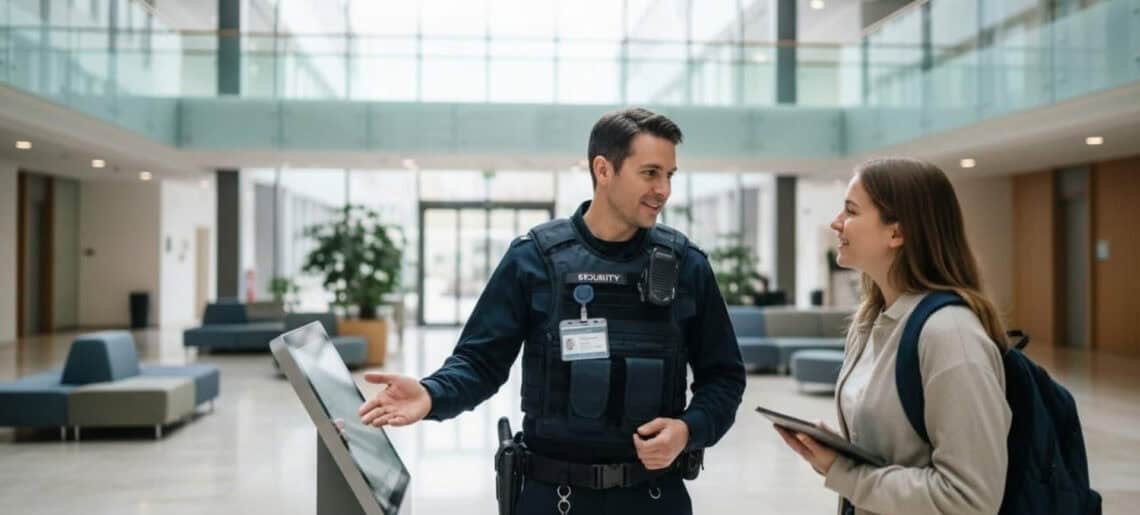
A customer refuses to leave a Calgary shopping centre. An individual becomes aggressive outside an Edmonton business. A security guard suspects someone of shoplifting but isn’t certain whether a crime has occurred.

What happens next depends on the decisions the security guard makes.

In Alberta, security guards are often responsible for responding to challenging situations involving people, property, and public safety. But having a responsibility to protect a location doesn’t mean having unlimited authority to intervene.

An unlawful arrest, inappropriate use of force, or discriminatory interaction can lead to serious legal consequences, including lawsuits, human rights complaints, and damage to professional reputations.

Two cases from British Columbia demonstrate how quickly security decisions can become costly legal problems.

Although these incidents occurred outside Alberta, the lessons are directly relevant to anyone working in the province’s security industry.

When Security Decisions Lead to Legal Consequences

Security guards regularly make decisions under pressure. In many cases, they have only moments to assess a situation and determine the appropriate response.

However, even when a guard believes they’re acting in the best interests of their employer or client, their actions must remain within the law.

The following cases demonstrate what can happen when those boundaries are crossed.

Metrotown Mall: An Unlawful Arrest Results in $1.8 Million in Damages

In 2019, security guards at Metropolis at Metrotown in Burnaby, British Columbia, confronted a young person they believed had previously been banned from the property.

The encounter escalated into an unlawful arrest, assault and detention.

According to the court proceedings, the guards pushed the individual down a set of stairs, detained them in a locked room and denied access to a telephone.

The defendants admitted liability for assault, false arrest and false imprisonment.

The individual suffered physical injuries and psychological harm.

In April 2026, a British Columbia court awarded approximately $1.8 million in damages, including $1 million in punitive damages against Paladin Security.

The court also criticized the security company’s handling of the incident, particularly its investigation and response to the misconduct.

The case highlights two important lessons for Alberta security professionals:

  1. Security guards must understand the legal grounds for arrest and detention before taking action.
  2. Security companies must respond appropriately when incidents or allegations of misconduct arise.

Canadian Tire: A Human Rights Complaint Leads to Organizational Changes

A separate incident at a Canadian Tire store in Coquitlam, British Columbia, raised concerns about racial profiling and discriminatory treatment.

In January 2020, Richard and Dawn Wilson, a father and daughter from the Heiltsuk Nation, were shopping while waiting for vehicle service.

During checkout, a security guard employed by Blackbird Security singled out Richard Wilson for a backpack search.

When Dawn Wilson questioned the treatment, a store employee responded with racist remarks.

The Wilsons subsequently filed a human rights complaint.

In May 2026, the matter was resolved through a settlement.

As part of the agreement, Blackbird Security acknowledged that its former employee had violated British Columbia’s Human Rights Code through racial profiling and discrimination.

The store acknowledged derogatory comments made by a former employee, while Canadian Tire Corporation acknowledged shortcomings in how the complaint was forwarded.

The settlement included confidential financial compensation, additional training, improvements to complaint-handling procedures, and commitments to objective, race-neutral loss-prevention practices.

Although the settlement was not a tribunal ruling following a full hearing, it demonstrated how discriminatory security practices can result in serious consequences for multiple organizations.

For Alberta security guards, the lesson is clear: security decisions must be based on objective facts and lawful authority, not assumptions about a person’s identity or background.

Understanding Security Guard Authority in Alberta

One of the most important responsibilities of a security guard is knowing what they are legally permitted to do.

Alberta security professionals operate within a framework of federal and provincial laws.

These include the Criminal Code of Canada, Alberta’s Security Services and Investigators Act, the Trespass to Premises Act, and the Alberta Human Rights Act.

Each serves a different purpose.

The Security Services and Investigators Act

Alberta’s Security Services and Investigators Act establishes the provincial framework for licensing and regulating security services and investigators.

Individuals working in regulated security roles must meet applicable licensing requirements.

However, holding a security licence does not give someone the same powers as a police officer.

Security guards remain responsible for understanding the legal limits of their role.

The Criminal Code of Canada

The Criminal Code contains provisions relating to arrest, self-defence, defence of property and circumstances in which force may be legally justified.

These provisions apply across Canada, including Alberta.

However, security guards must understand that their authority is limited and depends on the specific circumstances.

A security guard cannot lawfully arrest someone simply because they appear suspicious or refuse to cooperate.

Alberta’s Trespass to Premises Act

Trespassing concerns are common in security assignments.

Guards working at retail properties, office buildings, residential developments and other locations may be asked to address individuals who are not permitted on the premises.

Alberta’s Trespass to Premises Act establishes rules relating to unauthorized entry and remaining on certain premises.

However, the legislation does not provide security guards with unlimited authority to physically remove or detain people.

The appropriate response depends on the circumstances, the guard’s role, and applicable legal requirements.

Understanding the distinction between requesting that someone leave, enforcing property rules, and making a lawful arrest is essential.

The Alberta Human Rights Act

Alberta security guards must also understand their responsibilities relating to fair and non-discriminatory treatment.

The Alberta Human Rights Act protects individuals against discrimination in specified areas, including services customarily available to the public.

Security personnel should apply policies consistently and avoid making decisions based on protected personal characteristics.

These responsibilities are particularly important in public-facing assignments such as retail security, event security, and access control.

Four Situations Where Alberta Security Guards Need Sound Judgement

Legal responsibilities become much easier to understand when applied to situations guards may encounter on the job.

1. A Customer Refuses to Leave a Calgary Shopping Centre

Imagine you’re working security at a shopping centre in Calgary.

A customer has been asked to leave following a disagreement with store employees. The customer refuses and begins arguing with security personnel.

Your responsibility is to address the situation professionally and within the law.

A poor response would be to immediately grab the individual or threaten physical force simply because they refuse to cooperate.

A better approach involves:

  • Clearly identifying yourself and explaining the request.
  • Communicating calmly and respectfully.
  • Understanding the property’s policies and applicable trespass legislation.
  • Maintaining a safe distance.
  • Requesting assistance when appropriate.
  • Avoiding physical intervention without lawful justification.

The objective is to resolve the situation safely, not to create an unnecessary confrontation.

2. Suspected Shoplifting at an Edmonton Retail Store

You’re working loss prevention at an Edmonton retail location.

You notice a customer behaving suspiciously near a merchandise display.

You believe they may be stealing, but you haven’t clearly observed an offence.

Can you detain them?

Suspicion alone does not automatically provide lawful grounds for an arrest.

Security guards must understand the applicable Criminal Code provisions and follow appropriate loss-prevention procedures.

Common practices may include maintaining observation, documenting behaviour, and establishing evidence of an offence.

However, these practices are not a substitute for understanding the legal requirements for an arrest.

An unlawful detention can expose both the guard and their employer to serious consequences.

3. An Aggressive Attendee at an Alberta Event

Security guards frequently work at concerts, festivals, sporting events, and other public gatherings.

Imagine an attendee becomes verbally aggressive after being refused entry.

The individual raises their voice and challenges the guard’s instructions.

Although the situation may be uncomfortable, verbal aggression alone does not automatically justify physical force.

A professional response may include:

  • Maintaining a calm tone.
  • Explaining the reason for the decision.
  • Avoiding personal arguments.
  • Creating appropriate distance.
  • Calling for assistance if the situation escalates.
  • Following established emergency procedures when necessary.

Security guards should understand the legal requirements governing any physical intervention and prioritize de-escalation whenever appropriate.

4. A Complaint About Discriminatory Treatment

Imagine a visitor to a commercial property reports that they were singled out for additional screening because of their race or ethnicity.

How the guard and their employer respond matters.

The complaint should be treated seriously, documented appropriately, and referred through the organization’s established procedures.

Dismissing the concern or responding defensively can make an already difficult situation worse.

The Canadian Tire settlement demonstrates why organizations must have clear policies for fair treatment and meaningful complaint handling.

Why Communication Matters as Much as Legal Knowledge

Knowing the law is essential, but security guards also need the communication skills to apply that knowledge effectively.

A guard may have a legitimate reason to ask someone to leave a property.

However, the way that request is communicated can influence whether the interaction ends peacefully or becomes confrontational.

Professional communication includes:

  • Using clear, respectful language.
  • Listening before responding.
  • Explaining decisions without unnecessary accusations.
  • Avoiding threats or intimidation.
  • Remaining calm when others are upset.
  • Recognizing when to disengage or request support.

These skills are especially important in busy public environments where guards interact with people who may be frustrated, distressed, or unfamiliar with property rules.

De-escalation cannot prevent every incident, but it can help reduce unnecessary conflict and support safer outcomes.

The Risks of Using Force Without Legal Justification

One of the most serious mistakes a security guard can make is assuming that physical force is an acceptable way to gain compliance.

Canadian law recognizes limited circumstances in which force may be legally justified, including certain situations involving self-defence, defence of property and lawful arrests.

However, those circumstances are subject to specific legal requirements.

Security guards do not have unrestricted authority to use force because someone is difficult, uncooperative, or verbally aggressive.

Before any physical intervention, guards must understand the applicable legal standards, including whether their actions are necessary and reasonable in the circumstances.

Whenever appropriate, guards should prioritize:

  • Verbal de-escalation.
  • Maintaining a safe distance.
  • Seeking assistance.
  • Disengaging from unsafe situations.
  • Following established emergency procedures.

The Metrotown Mall case is a reminder of the serious consequences that can follow unlawful arrest and excessive force.

Liability Doesn’t Stop With the Individual Guard

Security incidents can expose several parties to legal consequences.

Individual Security Guards

Guards may face criminal charges, civil claims, disciplinary action, employment consequences or licensing concerns when they act unlawfully.

Security Companies

Employers may face liability relating to employee conduct, inadequate supervision, insufficient training or failures to respond appropriately to misconduct.

In the Metrotown case, the court’s criticism of Paladin Security’s organizational response contributed to substantial punitive damages against the company.

Property Owners and Clients

Businesses that hire security providers may also face legal exposure when their own actions, policies or failures contribute to an incident.

The Canadian Tire settlement demonstrates how multiple organizations can become involved in resolving complaints about security practices and the treatment of customers.

Responsibility depends on the circumstances, but professional security practices require cooperation and accountability at every level.

How Proper Training Helps Alberta Security Guards Reduce Risk

Alberta’s security industry includes a wide range of assignments, from retail and commercial properties to industrial sites, residential communities, and special events.

Each environment presents different challenges.

However, the need for professional judgement remains consistent.

Security guard training helps aspiring professionals develop foundational knowledge in areas such as:

  • Legal responsibilities and limitations
  • Professional communication
  • Conflict management and de-escalation
  • Observation and incident reporting
  • Emergency response
  • Personal safety
  • Ethical conduct

For individuals entering the industry, Alberta’s licensing process includes applicable training and examination requirements.

Completing the required training is an important step toward becoming licensed, but professional development shouldn’t end there.

Security guards should continue learning, stay informed about relevant laws, and follow current employer procedures throughout their careers.

Understanding what you’re legally permitted to do can help prevent mistakes that affect your career, your employer, and the people you’re responsible for protecting.

Professional Security Starts With Responsible Decisions

The Metrotown Mall and Canadian Tire incidents demonstrate how security decisions can have consequences that extend far beyond the original interaction.

An unlawful arrest can lead to substantial damages.

Discriminatory treatment can result in human rights complaints and organizational change.

Poor supervision and inadequate responses to misconduct can increase legal and reputational risks.

For Alberta security guards, the lessons are straightforward:

  • Know the limits of your legal authority.
  • Base decisions on objective facts.
  • Apply policies fairly and consistently.
  • Use professional communication and de-escalation.
  • Avoid unnecessary physical intervention.
  • Document incidents accurately.
  • Follow appropriate reporting and complaint procedures.

Security work requires confidence, but that confidence must be supported by knowledge, sound judgement and respect for the law.

At Alberta Guard Training, we help individuals take the first steps toward a career in security through accessible online training.

Whether you’re preparing to enter the industry or looking to strengthen your understanding of professional responsibilities, proper training provides an essential foundation.

Protecting people and property also means respecting their rights and knowing the limits of your authority.

Explore your security guard training options at AlbertaGuardTraining.ca.

References

Reading the Warning Signs: How Alberta Security Guards Can Recognize Escalating Behaviour

Reading the Warning Signs: How Alberta Security Guards Can Recognize Escalating Behaviour

A customer becomes increasingly frustrated after being asked to leave a store. Their voice gets louder, their fists begin to clench, and they take a step toward the security guard.

Is this simply someone expressing frustration, or is the situation becoming dangerous?

For security guards, recognizing the difference is an important part of staying safe on the job.

Physical confrontations don’t always happen without warning. Changes in body language, communication, and behaviour may provide clues that a situation is escalating.

These behaviours are often referred to as pre-assault indicators, and learning to recognize them is a valuable skill for anyone preparing to work in Alberta’s security industry.

Whether you’re assigned to a shopping centre, residential property, event venue or commercial building, the ability to assess behaviour and respond appropriately can help protect both yourself and the people around you.

Why Body Language Matters in Security Work

Security guards regularly interact with people experiencing frustration, stress, anger or emotional distress.

Most of these interactions never become violent.

However, some situations can escalate quickly, particularly when an individual feels challenged, threatened, or unwilling to cooperate.

A person may begin raising their voice, changing their stance, moving closer or making threatening statements.

Recognizing these changes gives security personnel an opportunity to reassess the situation before it becomes more dangerous.

It’s important to understand that body language isn’t an exact science. A single gesture doesn’t prove that someone intends to become violent.

Instead, guards should consider the overall situation, including what the individual is saying, how they’re behaving, and whether several concerning behaviours are occurring together.

Eight Pre-Assault Indicators Alberta Security Guards Should Know

The following warning signs are commonly discussed in pre-assault awareness training. Understanding them can help security guards identify situations that may require greater caution.

1. Repeatedly Looking at Specific Targets

During a conversation, someone may repeatedly glance at your face, hands, torso, or security equipment.

This behaviour is sometimes called target glancing.

In certain circumstances, it may suggest the individual is assessing your position or considering a physical action.

On-the-job example:

You’re speaking with someone who has been asked to leave a commercial property. They repeatedly glance at your radio, then back toward your face.

This doesn’t necessarily mean an attack is coming, but combined with threatening language or other unusual behaviour, it may warrant increased awareness.

2. Changing Their Stance

People sometimes adjust their posture before a physical confrontation.

They may turn their body sideways, position one foot behind the other, or raise their hands.

This sideways positioning is sometimes referred to as blading the body.

On-the-job example:

A security guard at an Alberta shopping centre asks an individual to stop behaving aggressively toward an employee.

The person turns sideways, raises their hands, and responds, “What are you going to do about it?”

The combination of threatening language and a change in posture suggests that the interaction may be escalating.

3. Clenching Their Hands or Jaw

Physical tension can become more noticeable when someone is experiencing heightened stress or anger.

Possible behaviours include:

  • Making fists
  • Repeatedly opening and closing their hands
  • Tightening their jaw
  • Grinding their teeth
  • Raising their hands toward their face

On-the-job example:

During an argument at an event, an attendee begins breathing heavily and repeatedly clenching their fists.

The guard should recognize the behaviour change and consider whether additional distance or support is appropriate.

4. Becoming Suddenly Quiet

A person who has been shouting or arguing may suddenly stop speaking.

Sometimes this means they’re calming down.

Other times, particularly when combined with threatening behaviour, the change may signal increased tension.

On-the-job example:

An individual has been loudly refusing to leave a property. Suddenly, they become silent and stare directly at the guard while maintaining a tense posture.

Rather than assuming the situation is resolved, the guard should continue assessing the individual’s behaviour.

5. Moving Into Personal Space

Distance is an important safety consideration during tense interactions.

Someone who repeatedly steps closer, leans forward aggressively, or refuses to respect personal boundaries may be increasing the risk of confrontation.

On-the-job example:

You’re speaking with an agitated individual at a residential property.

You take a step backward to maintain distance, but they immediately step forward.

When this happens repeatedly, it may indicate that the person is attempting to intimidate you or create an opportunity for physical contact.

Maintaining appropriate distance provides additional time to assess and respond.

6. Repeatedly Adjusting Clothing or Touching Their Face

Stress can cause people to make repetitive movements, sometimes called grooming gestures.

These might include:

  • Pulling up sleeves
  • Adjusting clothing
  • Rubbing the face
  • Running hands through the hair
  • Repeatedly touching the head

These behaviours are common and can have many explanations.

However, when they appear alongside threats, aggressive positioning, or other warning signs, they may contribute to a broader assessment of escalating risk.

7. Scanning the Surroundings

Someone involved in a tense interaction may begin repeatedly looking around.

They may glance toward exits, nearby people, security cameras, or objects within reach.

On-the-job example:

During an escalating disagreement, an individual repeatedly looks toward the building’s exit and then toward another security guard approaching the area.

The behaviour may have several explanations, but it provides an opportunity to reassess the environment and consider how the situation could develop.

8. Making Threats or Changing Their Tone

Verbal communication is one of the clearest ways an individual may indicate hostility.

Concerning statements might include:

  • “I wouldn’t do that if I were you.”
  • “You’re going to regret this.”
  • “Don’t come any closer.”
  • “I’d like to see you try.”

Changes in tone, volume, and speaking pace may also be relevant.

On-the-job example:

A guest at an event becomes increasingly argumentative after being told they cannot re-enter a restricted area.

Their voice becomes quieter but more threatening, and they begin moving closer to the guard.

The combination of verbal threats and changing physical behaviour may indicate a heightened risk.

Why Multiple Warning Signs Matter

Imagine you’re working security at a busy event.

An attendee becomes angry after being asked to leave.

At first, they’re simply arguing.

Then you notice several changes:

  • Their hands begin clenching.
  • They turn their body sideways.
  • They repeatedly move closer.
  • They begin making threats.

Each behaviour alone could have more than one explanation.

Together, however, they suggest that the situation may be becoming more dangerous.

Recognizing these patterns allows a security guard to consider safer response options before a confrontation becomes physical.

The goal isn’t to predict someone’s next move with certainty. It’s to identify increasing risk and respond professionally.

What Should an Alberta Security Guard Do When a Situation Escalates?

Recognizing potential warning signs is only the first step.

Knowing how to respond is equally important.

Maintain a Safe Distance

Where possible, create additional space between yourself and the individual.

Distance provides more time to assess changes in behaviour and react if necessary.

Avoid allowing an increasingly agitated person to repeatedly close the gap without reassessing your position.

Be Aware of Your Surroundings

Know where the nearest exits are located.

Avoid becoming trapped in a corner or confined space.

Pay attention to obstacles, nearby people, and potential hazards.

Your surroundings may influence which response options are safest.

Use Calm, Clear Communication

How you communicate can influence the direction of an interaction.

Use simple, respectful language and avoid escalating the situation through unnecessary arguments or confrontational remarks.

For example:

  • “I understand you’re frustrated.”
  • “Let’s give each other some space.”
  • “I want to help resolve this safely.”
  • “I’m going to ask my supervisor to assist us.”

Clear communication can help establish boundaries without unnecessarily increasing tension.

Request Backup Early

If an encounter is becoming increasingly hostile, follow site procedures for requesting assistance.

That may involve contacting another guard, a supervisor, or emergency services, depending on the circumstances.

Waiting until a situation becomes physical can limit the options available.

Recognize When to Disengage

Not every disagreement requires continued engagement.

In some situations, creating distance and requesting additional assistance may be the safest course of action.

Security guards should follow their training, legal responsibilities, and employer procedures when determining how to respond.

Applying These Skills Across Alberta’s Security Industry

Pre-assault awareness is relevant to many different security assignments.

Retail security: Guards may encounter customers who become aggressive when asked to leave a store or comply with property rules.

Event security: Large crowds, alcohol consumption, and disagreements between attendees can create situations where early recognition of escalating behaviour is valuable.

Residential security: Guards may respond to noise complaints, unauthorized visitors or disputes involving residents and guests.

Commercial properties: Security personnel may need to manage access concerns or interactions with individuals who refuse to follow site procedures.

Healthcare and public-facing environments: Guards may encounter people experiencing distress, confusion, or heightened emotions, requiring patience, communication, and careful risk assessment.

In each setting, the ability to recognize changing behaviour supports safer and more professional decision-making.

Training Builds the Foundation for Safer Security Work

Security work involves more than monitoring entrances and responding to alarms.

It requires observation, communication, sound judgement, and the ability to assess situations that may change without warning.

For aspiring Alberta security guards, developing an understanding of these responsibilities begins with proper training.

Alberta’s security worker licensing process includes required training and other eligibility requirements. Completing the appropriate training is an important step toward entering the profession.

At Alberta Guard Training, we help future security professionals take that step through accessible online security guard training.

The knowledge gained during training provides a foundation for understanding professional responsibilities, legal authorities, communication, and personal safety.

Recognizing pre-assault indicators is one example of how those skills apply in the real world.

The earlier you recognize a potential risk, the more opportunities you have to respond safely.

Start your Alberta security guard training and take the next step toward a career in security.

References

Blue Sheepdog. (n.d.). Pre-attack indicators. https://www.bluesheepdog.com/pre-attack-indicators/

Ti Training. (2025, June 20). Pre-attack indicators: A training guide to reading body language for law enforcement. https://titraining.com/blog/pre-attack-indicators/